

Bosphorus Swim: How to Prepare for the Race
How to prepare for the Bosphorus Cross-Continental Swim: race paperwork, coach sign-off, medical form, wetsuit rules, and current and cold water training.
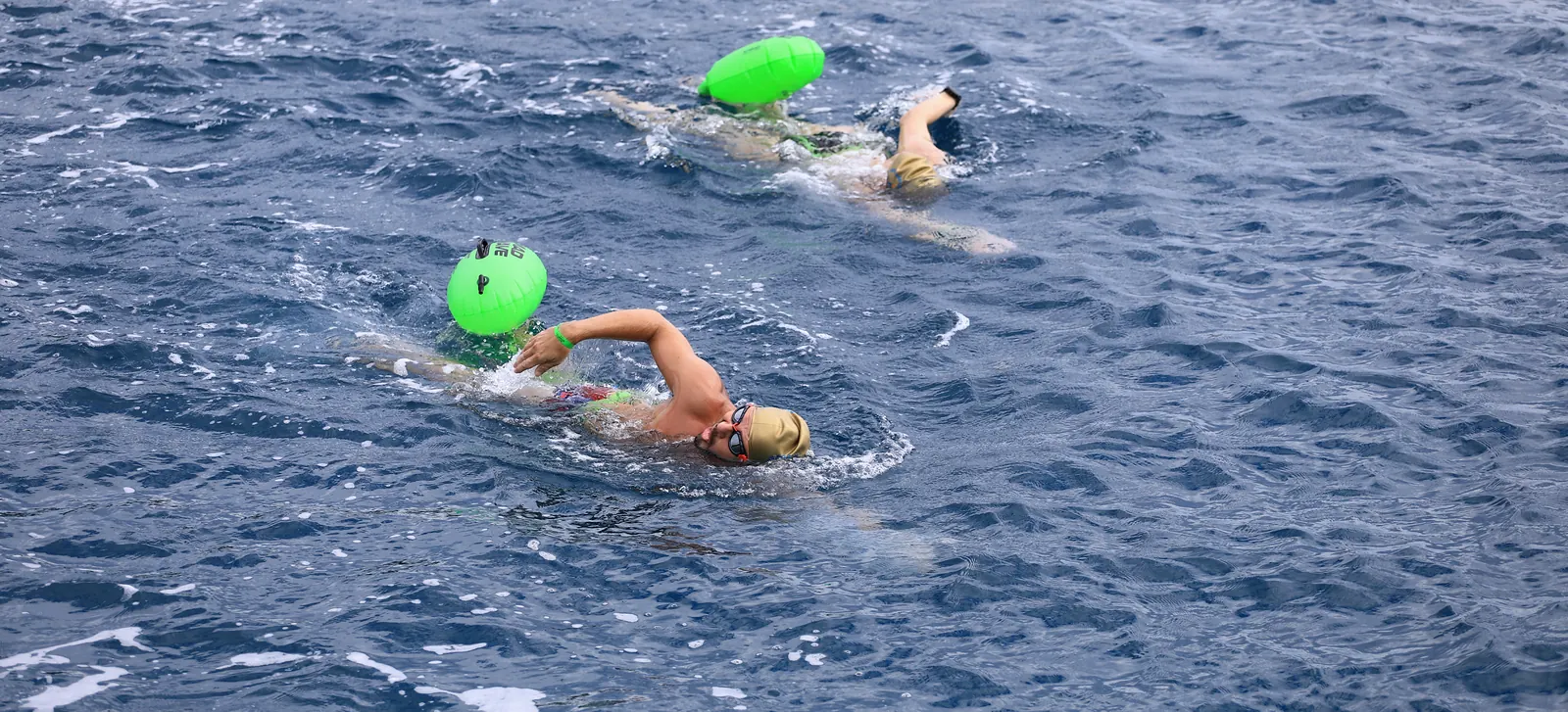
In short: The Bosphorus Cross-Continental Swim crosses from Asia to Europe in Istanbul over about 6.5 km, according to the organiser’s 2026 handbook. Entry involves registration, a medical form and coach sign-off, and neoprene swimsuits are banned. We are not the organiser, so check current rules with them.
Swimming from Asia to Europe is one of the best-known open water events in the world. It is also a race with paperwork, rules and conditions that catch out first-timers. Most of the work happens months before you reach Istanbul.
This guide covers what the swim is, how entry generally works, what to prepare and how to train. We have no connection with the event. Always check the organiser’s current rules before you plan anything.
What is the Bosphorus swim?
The Bosphorus Cross-Continental Swim takes place in Istanbul, across the strait that separates Asia and Europe. Swimmers start on the Asian side and finish in Europe.
The organiser’s 2026 handbook gives the course as about 6.5 km, from Kanlıca to Kuruçeşme in Istanbul. Neoprene and rubber swimsuits are banned, while textile swimsuits are allowed.
Currents, traffic and water temperature vary by day and by year, so check the organiser’s current information rather than older summaries.
Registration: how entries work
There is no single route. Some swimmers enter directly through the organiser, others through an operator that packages travel and entry. Requirements change, so confirm on the official page.
Operators may add their own paperwork, such as forms and identity documents. Check the organiser’s current rules for what applies to you.
Paperwork takes time. Begin early, and check that your passport is valid well before travel.
We have no information about 2027 dates. They will be announced by the organiser, and we will not guess.
Coach sign-off and medical form
Some entries ask for a coach’s confirmation and a medical form.
Coach sign-off. Where it is required, a certified coach confirms you are fit to take part. In practice that means someone who has seen you swim and can say you are able to cover the distance in open water. If you do not train with a coach, find one early and swim in front of them.
Medical form. Where it is required, a doctor signs a form confirming you can take part. If you have a heart or blood-pressure condition, or take regular medication, raise it with your doctor before you commit. Cold shock and exertion affect the heart, and this is a conversation to have at the start of your preparation, not the end.
Treat both seriously.
Wetsuits, swim cap and race equipment
No wetsuit means you rely on your own buoyancy, your own body temperature and your own technique. That is manageable for many swimmers, but it changes the feel of the stroke if you are used to a wetsuit’s lift.
What to sort out:
- Swimwear you have trained in. Wear the same suit for your longer swims so that rubbing and fit are known.
- Goggles. Bring a spare pair and consider tinted lenses for sun on the water.
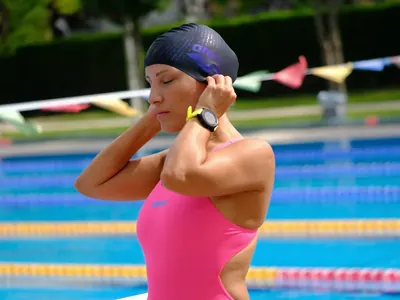
- Swim cap. The organiser usually supplies a numbered cap; follow the instructions on the day.
- Anti-chafe. Test it in training, not on race morning.
Wetsuit policy can change, so verify it for the specific event year.
Current, cold water and training in Istanbul
The Bosphorus is a strait with real flow, and the current is the point of the event. A few things follow.
- You are moving, but not in a straight line. The current carries you and the course accounts for it, so sighting and following the guidance of the safety boats matter more than raw speed.
- Boat traffic. The strait is busy. The event manages this, but your job is to stay aware, stay in line and follow instructions.
- Temperature. Cold water is more likely in other months of the year, and anyone training in Istanbul before summer should plan for it. See our note on cold water acclimatisation.
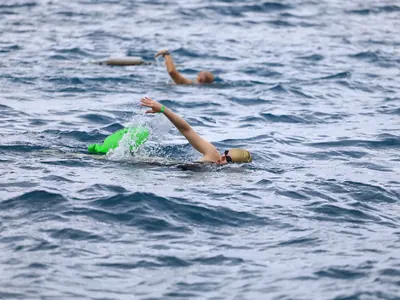
Train in the water you will race in as far as you can, in groups, with a boat or a lifeguard nearby, and with a tow float.
A 12-week preparation plan
This is a framework, not a prescription. Adjust it to your level and see a doctor if you have any condition.
Weeks 1-4: base. Three swims a week. Keep one to technique, one to steady aerobic swimming and one a longer continuous swim that builds gradually. Add easy dryland work.
Weeks 5-8: open water. Move at least one swim a week into open water, with company and safety cover. Practise sighting and swimming in a group. Wear your race suit and goggles.
Weeks 9-11: specificity. Make your longest swim comfortably longer than the effective race distance. Include a few swims at an even, confident pace, and a few in choppy water if you can find it.
Week 12: taper. Reduce volume, keep a little pace and rest. Sleep, hydrate and confirm every travel and paperwork detail.
If you have not yet swum in the sea, begin there. Our Open Water camp is built for that step: sighting, mass starts, buoy turns and pacing, each session with a support boat and a lifeguard. The prerequisite is 400 m without stopping and a short pool assessment on day one.
We do not promise a place in any event, and the camp is not a route into the Bosphorus swim. It is preparation for the water. The FAQ covers prerequisites and what is included.
If you would like to hear when the next open water camp is announced, or to request a place when one is open, see the application page. Our team writes back within 48 hours.
When a new camp has dates, we reply to anyone who wrote to us before the public announcement.
Ask about datesWhen a new camp has dates, we reply to anyone who wrote to us before the public announcement.
Ask about datesWhen a new camp has dates, we reply to anyone who wrote to us before the public announcement.
Ask about dates