

Masters Swimmers: Technique Before Volume
For masters swimmers, better technique often beats more distance. How to find your biggest stroke limits, use video and plan training around them.
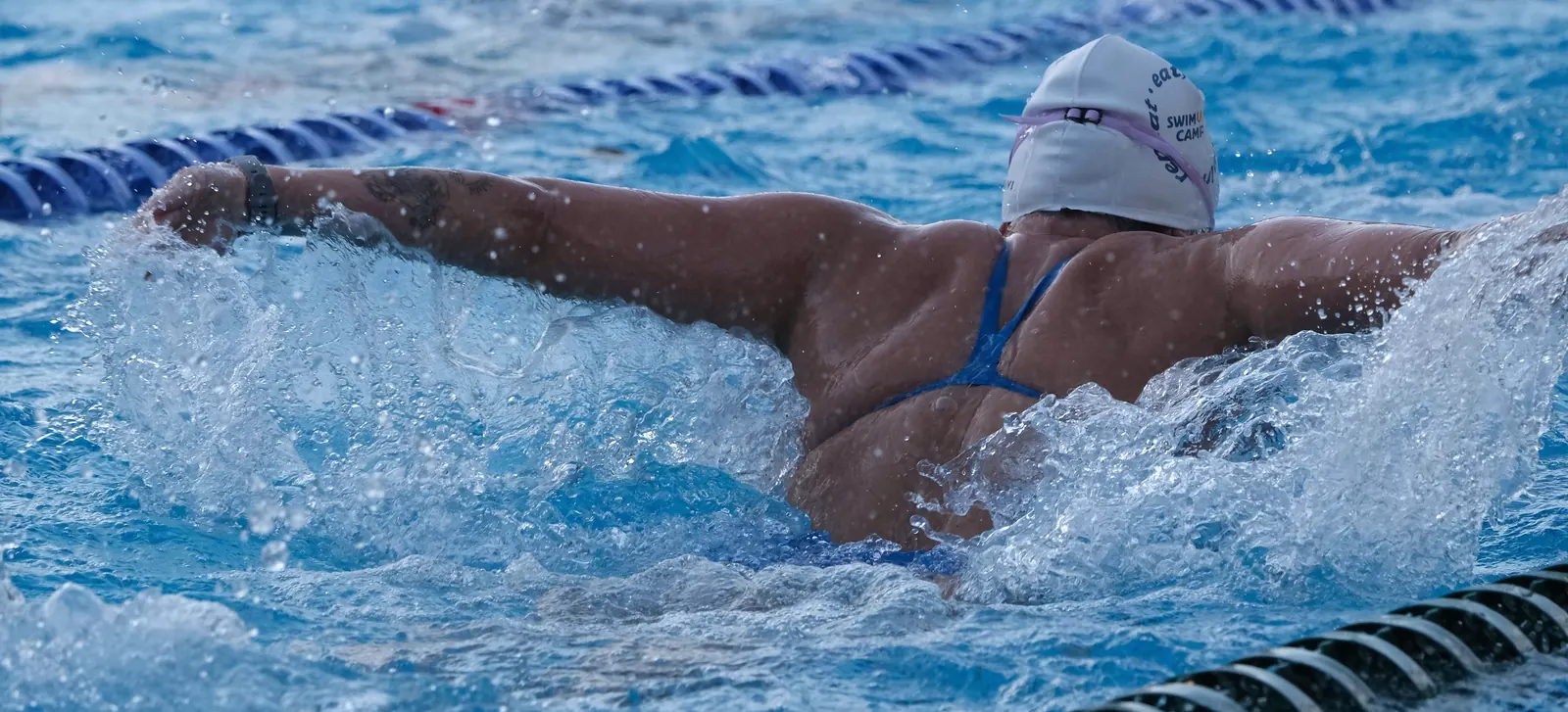
In short: Masters swimmers who plateau should look at technique before volume: find your biggest stroke limit, use video and train around it. This is coaching observation, not a promise of results.
Many masters swimmers hit a plateau. Three or four sessions a week, steady yardage, a familiar set of times, and not much change. The usual response is more: more sessions, more kilometres.
Sometimes that works. Often it only repeats the same stroke more times.
Who we mean by masters swimmers
Masters swimming is an adult category. Many national organisations, such as US Masters Swimming, run masters programmes for adult swimmers of all abilities, and competition is organised by age group.
In this note, a masters swimmer is an adult who trains regularly, often with a squad or on a set plan, perhaps races in the pool, open water or triathlon, and wants to keep improving or to swim well for longer.
You may have swum as a child and returned, or taken up swimming later. Either way, you probably carry habits that no one has examined in years.
Why volume alone stops working
There are good reasons that more distance can stop paying off.
- Habits repeat. Swimming more with the same flaw ingrains the flaw.
- Time is limited. Adults fit training around work and family. There is a ceiling on how much more you can add.
- Recovery is slower. Many masters swimmers need longer to recover than they did at twenty. More volume risks fatigue and sore shoulders.
- Fatigue hides technique. When you tire, your stroke gets worse, so extra yardage can be practice at a poorer standard.
In our coaching experience, a small stroke limit, such as a dropped elbow, a late catch or a head that lifts to breathe, often costs more than a few extra kilometres a week can earn back. This is an observation from coaching, not a proven rule, and results differ from swimmer to swimmer.
Finding your biggest stroke limit
Most swimmers have one or two limits that matter far more than the rest. The skill is finding them.
Look at:
- Body line. Do your hips and legs sink? Do your feet drag?
- Catch. Is the water held early with the forearm, or does the hand slip through?
- Rotation. Do you turn the body as a unit or swim flat?
- Breathing. Does your head lift or swing wide?
- Kick. Is it helping, or just adding effort?
- Rhythm. Do you rush the recovery or stall at the front?
Ask a coach to watch, or film yourself. You cannot feel most of these. The stroke you feel and the stroke you swim are not the same.
Pick the one that, if fixed, would change the most. Then work on that alone.
Video and feedback loops
Video makes feedback concrete. A simple loop:
- Film a length from the side, above water and, if you can, below.
- Look at it slowly, ideally with a coach.
- Choose one change.
- Practise it in drills and easy swimming.
- Film again a few weeks later and compare.
The loop is the point. Feedback you cannot check fades. A comparison on screen is hard to argue with.
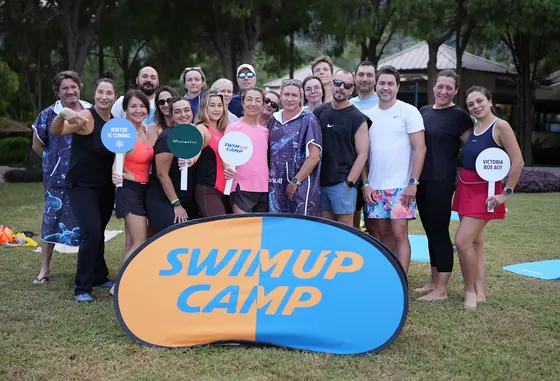
At our camps we run this loop in compressed form. We film your stroke underwater; national swimming coaches review the footage with you frame by frame, explain your faults and agree three priorities. Your recordings and analysis notes are shared with you digitally afterwards. The method page has the detail.
Training around your limit
Once you know your limit, shape your weeks around it.
- Put it first in the session. Work on it fresh, not at the end.
- Use drills that target it, and keep them short.
- Slow down until the change feels natural, then raise the pace.
- Keep a fitness block so you do not lose your base, but reduce junk yardage that does not serve the change.
- Check under fatigue. Does the new stroke hold in the last set? If not, that is the next thing to train.
- Be patient. Changing a motor habit takes weeks, sometimes months.
We do not suggest results or time improvements. Technique is one part of swimming, alongside fitness, health and rest.
What to bring to a camp
If you decide to come to a camp, it helps to arrive prepared.
- Your swim history. Briefly: when you started, how you train, any injuries.
- A question. What do you most want to change? Write it down.
- Any footage you have, even a phone clip.
- Kit you have used. Suit, goggles and cap that you know.
- An open mind. The change that matters may not be the one you expected.
- The distance. Winter and Summer camps ask for 200 m without stopping. Open Water asks for 400 m and a day-one pool check.
You can meet the coaches on the team page. A winter camp in an indoor pool, with no racing to prepare for, is a calm setting for this work: see Swim Up Winter.
One well-known approach to efficiency is explained in the Total Immersion method. The land-based side is covered in dryland training for swimmers.
If this sounds like the right next step for your swimming, request a place on the application page. Our team writes back within 48 hours.
Have your place ready for the next camp.
Ask about datesHave your place ready for the next camp.
Ask about datesHave your place ready for the next camp.
Ask about dates