

What to Pack for a Swim Camp: Checklist
What to pack for a swim camp: pool kit, open water gear, dryland clothes and personal items. A short checklist to use before you travel.
In short: Pool kit you have already swum in is the core of a swim camp packing list, with dryland clothing, personal items and travel documents alongside it; open water camps need extra kit. This is a general checklist, and the list each camp shares after you apply takes priority.
Packing for a swim camp is easier than packing for a holiday, because the days are simple. You swim, you review, you do some dryland work and you rest. The things that matter are the ones you will use several times a day.
Pool essentials
You will spend most of the camp in a pool, so bring kit you have swum in.
- Two or three swimsuits. Rotating them lets one dry. Choose a suit that fits snugly and does not restrict your shoulders. World Aquatics publishes rules on swimwear for its competitions, but camps are not competitions, and any well-fitting training suit will do.
- Goggles, and a spare pair. Straps break at inconvenient moments. If you have a prescription, bring prescription goggles.
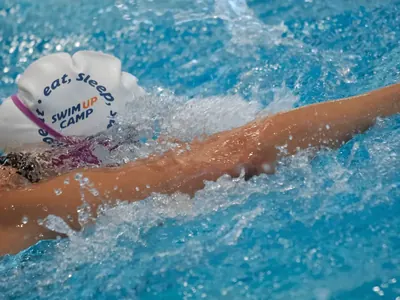
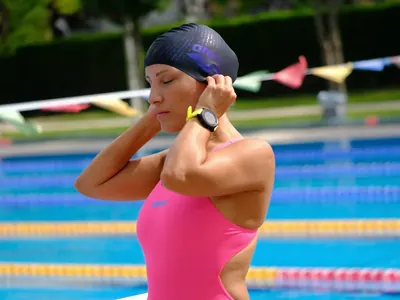
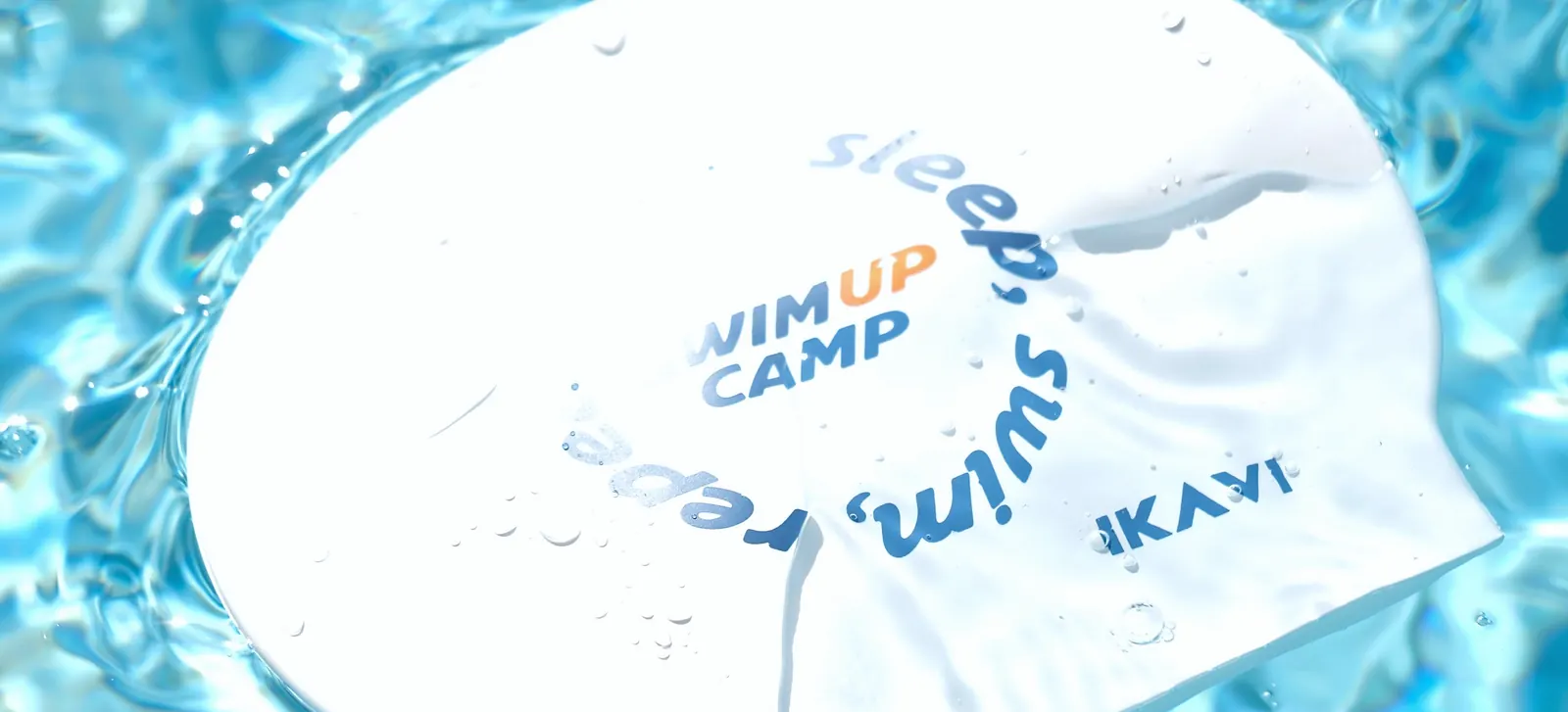
- Two swim caps. Silicone lasts longer. A cap also keeps hair out of your face on camera.
- A towel and a quick-dry second one if you like.
- Flip-flops for the pool deck.
- A water bottle. You will drink a lot.
- Training aids you are used to. A pull buoy or fins if you own them. Ask us first which aids the camp provides.
- A waterproof bag for wet kit.
Wear what you have trained in. A new suit or goggles on day one are a distraction.
Open water kit
Open Water camps need extra. Not all of it is yours to bring, so check the kit list we share.
- A wetsuit. Bring your own: wetsuits are not provided or hired out at camp. After you apply, we share a recommendation based on the water temperature, and you try it in the pool on day one. See our wetsuit guide.
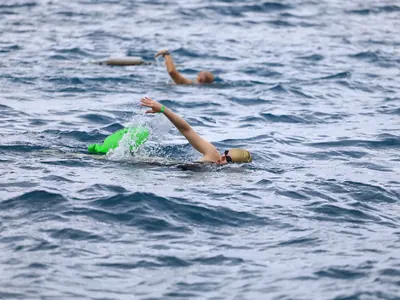
- A tow float. On our open water camps a tow float is compulsory. Ask us whether you bring your own or whether one is provided.
- Anti-chafe balm. For neck, underarms and anywhere a suit rubs.
- Neoprene cap or gloves and socks, if the water will be cool and you feel the cold.
- Tinted goggles for bright sun on the water, as well as clear ones.
- A warm layer for the boat and the beach: a robe or parka, and a hat.
- A sun hat and sunscreen. Waterproof and kind to skin.
For our camps in Turkey, expect warm days. Still bring layers, because you cool down quickly after a swim.
Dryland clothing
The afternoon dryland session is on land and often indoors.
- Two or three sets of training clothes. T-shirts, shorts or leggings that move easily.
- Trainers for walking and dryland work.
- A yoga mat if you prefer your own. Check whether the venue provides them.
- A light resistance band, if you have one.
- A sweatshirt or jacket for evenings and the walk between sessions.
- Comfortable clothes for the talks and analysis sessions.
Personal items and medication
- Regular medication, in its original packaging, plus a little extra.
- Any medical information you want us to know. Tell us about conditions when you apply.
- A basic first-aid kit: plasters, blister cover and pain relief that suits you.
- Toiletries and moisturiser. Chlorine dries skin, so a good moisturiser helps.
- Shampoo for swimmers, if you use one.
- Earplugs or a nose clip, if you use them.
- A phone and charger. You will want to film and share.
- A notebook. For your three priorities and the coaches’ notes.
- Snacks you like. Meals are provided, but a favourite snack is welcome.
Travel documents
- Passport or ID, valid for the whole trip. Check entry rules for Turkey for your nationality.
- Travel insurance, which should cover sport and, for open water, swimming in the sea. Read the policy to be sure.
- Flight and transfer details. Airport transfers are not included in the camp, so arrange yours in advance.
- Our confirmation and contact details, on your phone and on paper.
- Some local currency or a card for small expenses.
After you apply, we share travel and rooming details in writing.
What you do not need to bring
- Heavy equipment. The camp provides what the sessions need.
- A lot of formal clothes. The days are active.
- Expensive jewellery or watches. You will take them off to swim.
- Your own camera. We film you, and your recordings and analysis notes are shared with you digitally after camp.
- Food for every meal. Accommodation and meals are part of the package.
- Anything you have not used before. New kit is a risk on camp.
Not sure about an item? Ask. The FAQ covers what is included, and you can look at the camp pages for Winter and Open Water.
Once you have applied, before swim camp covers the weeks that follow. The distances are explained in swim camp prerequisites. For the wider picture of what a camp involves, read the adult swim camp guide.
Packing is the easy part. When you are ready for the rest, request a place on the application page. Our team writes back within 48 hours.
Have your place ready for the next camp.
Ask about datesHave your place ready for the next camp.
Ask about datesHave your place ready for the next camp.
Ask about dates